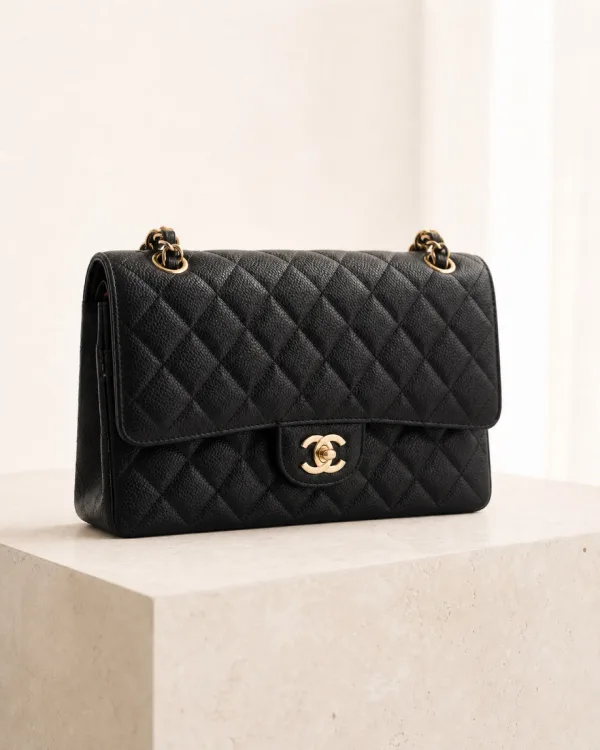
Coated canvas panels
The textile base is covered by a protective surface that may be printed or embossed. It can flex in use, but tight folds, abrasion and unsuitable products can damage the coating or print.
Coated Canvas Care
Coated canvas combines a textile base with a protective and often printed surface. It is practical for everyday use, but it is not waterproof or maintenance-free. Friction, repeated folding, heat, prolonged moisture, colour transfer and unsuitable cleaners can permanently change the canvas, leather trim, glazing, lining and hardware.
This is general preventive guidance. Coatings, prints, linings and trims vary by brand, model and era, so follow the maker’s instructions for the exact item. Seek brand or qualified specialist advice for cracks, coating lift, sticky surfaces, ink, mould, saturation or previous restoration.
Understand the Material
Coated canvas should not be treated as leather. A single bag may combine coated textile, natural or finished leather, edge sealant, adhesives, fabric or microfibre lining and plated hardware, with each component requiring different care.
The textile base is covered by a protective surface that may be printed or embossed. It can flex in use, but tight folds, abrasion and unsuitable products can damage the coating or print.
Handles, straps, piping and tabs may be natural leather, coated leather or another finish. Water, conditioner and cleaning products can affect these trims differently from the canvas.
Edge sealant and bonded areas can soften, split, lift or become sticky after heat, pressure, friction, ageing or chemical exposure.
Textile, suede-like, microfibre and coated linings cannot share one wet-cleaning method. Hardware should be kept dry and protected from abrasion and household chemicals.
Canvas Wear Points
Canvas pieces are assessed across the whole construction. Even wear can be consistent with careful use, while concentrated rubbing, deep folds, coating loss and undisclosed repair may have a greater effect on condition and buyer confidence.
Contact with floors, shelves and rough surfaces can rub away printing, expose fibres or create darkening and coating loss.
Repeated bending at the same point can create whitening, creasing, splitting or cracks, especially where an older coating has become less flexible.
Motifs may fade or abrade with use. Light canvas can also pick up colour from denim, printed paper, dark textiles or highly pigmented materials.
Edges around straps, handles, openings and tabs may crack, soften, split or lift before the main canvas panel shows significant wear.
Natural leather can darken, mark and develop patina, while finished leather can scratch or transfer colour. Trim condition should be assessed separately.
Pen, cosmetics, spills, loose debris, stickiness, moisture and persistent odour can affect both usability and resale appeal.
Everyday Handling
Preventive handling is safer than repeated cleaning. Small habits help protect the coating, print, seams and mixed-material details.
Allow hand sanitiser and hand cream to dry before handling the bag. Keep perfume, makeup, sunscreen, oils and wet clothing away from the surface and lining.
Do not drag the bag against walls, floors, concrete, textured furniture or abrasive clothing. Lift it by supporting the body rather than pulling only on ageing handles.
Overloading can stretch handles, distort the base, strain seams and force repeated folds near openings and side panels. Do not force a closure over a full bag.
Check corners, fold lines, glazing, handle attachments, the base and lining. Early changes are easier to document and less likely to be worsened by continued pressure or moisture.
Spills & Moisture
The coated panel may resist a brief splash, but seams, openings, leather trim, lining and adhesives remain vulnerable. Prolonged contact or saturation requires more caution than a few surface droplets.
Use a clean, light-coloured, lint-free absorbent cloth to lift surface moisture gently. Rubbing can spread a stain, abrade printing or push moisture towards stitching and trim.
Remove the contents, open pockets and support the natural shape lightly. Let the item dry indoors with ventilation, away from direct sunlight, heaters and hair dryers.
Dry hardware gently and inspect leather trim, seams and lining. A canvas panel can appear dry while moisture remains inside the construction.
Seek specialist advice for saturation, oily liquid, ink, sticky coatings, colour migration, coating lift, visible mould or a persistent musty odour.
Safe Cleaning Decisions
There is no universal cleaning mixture for luxury coated canvas. Instructions can differ between brands and even between products from the same brand, particularly where prints, finishes and trims differ.
Confirm the maker’s current instructions for the model and material before adding moisture or any product. Product-specific directions should override general canvas advice.
Empty loose debris and use only a clean, soft, light-coloured cloth where appropriate. Do not scrub, machine wash, soak or repeatedly work one spot.
A lightly damp cloth or diluted soap may be allowed for some canvases and prohibited for others. Keep moisture away from untreated leather and printed areas unless the maker specifically permits it.
Do not use baby wipes, alcohol, sanitiser, acetone, bleach, household cleaner, abrasive sponge, leather conditioner, oil, wax, saddle soap or a magic eraser on coated canvas.
Do not clean a coating that is cracked, tacky, flaking, lifting, transferring colour or affected by mould. Friction and moisture can make unstable surfaces worse.
Deep stains, damaged glazing, sticky linings, structural problems and previous restoration should be assessed by the original brand or a suitable specialist.
Storage Between Wears
Store the bag only when it is clean and completely dry. The safest position depends on its structure and condition, so support it without forcing it upright or flat.
Use light, even support such as clean, unprinted, unbuffered acid-free tissue. Do not pack tightly, hang long-term by the handles or place heavy items on top.
Use the clean original dust bag where suitable, or a clean, breathable, undyed or tested-colourfast cotton cover. Do not enclose a damp or musty bag for routine storage.
Keep the bag away from direct sunlight, heaters, hot cars, damp walls and condensation. In humid climates, monitor the room and address sustained readings approaching or exceeding 65% relative humidity.
Keep light canvas away from denim, printed paper, dark textiles and highly pigmented leather. Position chains and hardware so they do not press against coated panels or trim.
Do not compress the bag into a small box or fold canvas panels sharply. Repeated pressure at the same point can become a visible crease or crack.
Check the dry bag periodically for mustiness, spotting, stickiness, colour transfer, pressure marks or glazing changes. Move it away from other items if a coating becomes tacky or unstable.
Condition & Resale
Buyers consider the complete piece. Clear photographs and accurate disclosure are safer than trying to conceal wear with aggressive cleaning or cosmetic work.
Show corners, fold lines, the base, handles, straps, glazing, closures and interior clearly. Photograph cracks or coating loss in neutral light from more than one angle.
Disclose rubbed printing, colour transfer, cracking, lifting, stickiness, odour, lining damage and changes to leather trim rather than describing the canvas alone.
Keep brand service records and identify replaced trim, reglazing, recolouring, coating work or lining treatment. Undisclosed work can reduce buyer confidence.
Natural patina and honest use can be assessed in context. Unnecessary repainting, coating or polishing may change the finish and make future assessment harder.
Canvas Care FAQs
Coated canvas is a textile base finished with a protective surface that may also carry a print or embossed pattern. Its exact fibres, coating and production method vary by brand, model and era. It is not leather, even when the bag also includes leather trim.
No. Some coated canvases resist brief surface moisture, but seams, openings, linings, leather trim, glazing and adhesives can still absorb water or be damaged by prolonged contact. Treat water-resistant as different from waterproof.
Start by identifying the exact product and reading the maker’s care instructions. Use the least treatment necessary and begin with a clean, soft, light-coloured dry cloth where permitted. Use moisture or soap only when the instructions for that exact product allow it.
No generic leather conditioner should be applied to the coated canvas surface. The coating is not leather and oils, waxes or dressings may change its gloss, flexibility, colour or adhesion. Leather trim is a separate material and should follow its own maker guidance.
No. Baby wipes and sanitiser may contain alcohol, fragrance, surfactants or other chemicals, while a magic eraser is abrasive. These products can alter gloss, remove printing, dry trim or damage the coating.
Blot surface moisture gently with a clean, light-coloured, lint-free cloth. Do not rub. Empty the bag, support its natural shape and let it dry indoors with ventilation, away from sunlight and direct heat. Seek specialist advice for saturation, stains, mould or coating lift.
Age, repeated folding, heat, pressure, chemical exposure, unsuitable storage and changes within the coating can all contribute. Once the surface is cracking, lifting or tacky, stop cleaning and keep it away from other items until it can be assessed.
Store it clean and fully dry in a cool, stable, ventilated indoor place. Support its natural shape lightly, avoid sharp folds and heavy stacking, use a suitable breathable cover and separate it from dark or unstable materials that may transfer colour.
Not automatically. Coatings, printing methods, trims and model-specific instructions vary. Follow the current guidance for the exact brand and product rather than applying one cleaning method to every canvas bag.
They can. The effect depends on extent, location, workmanship, documentation and buyer demand. Photograph and disclose cracking, coating loss, replaced trim, reglazing, recolouring or other restoration so the item can be assessed accurately.
Canvas Luxury
View currently available bags or use the selling form if you would like a quote.
Email us about this piece.